How to Manage Gig Delivery Drivers Effectively
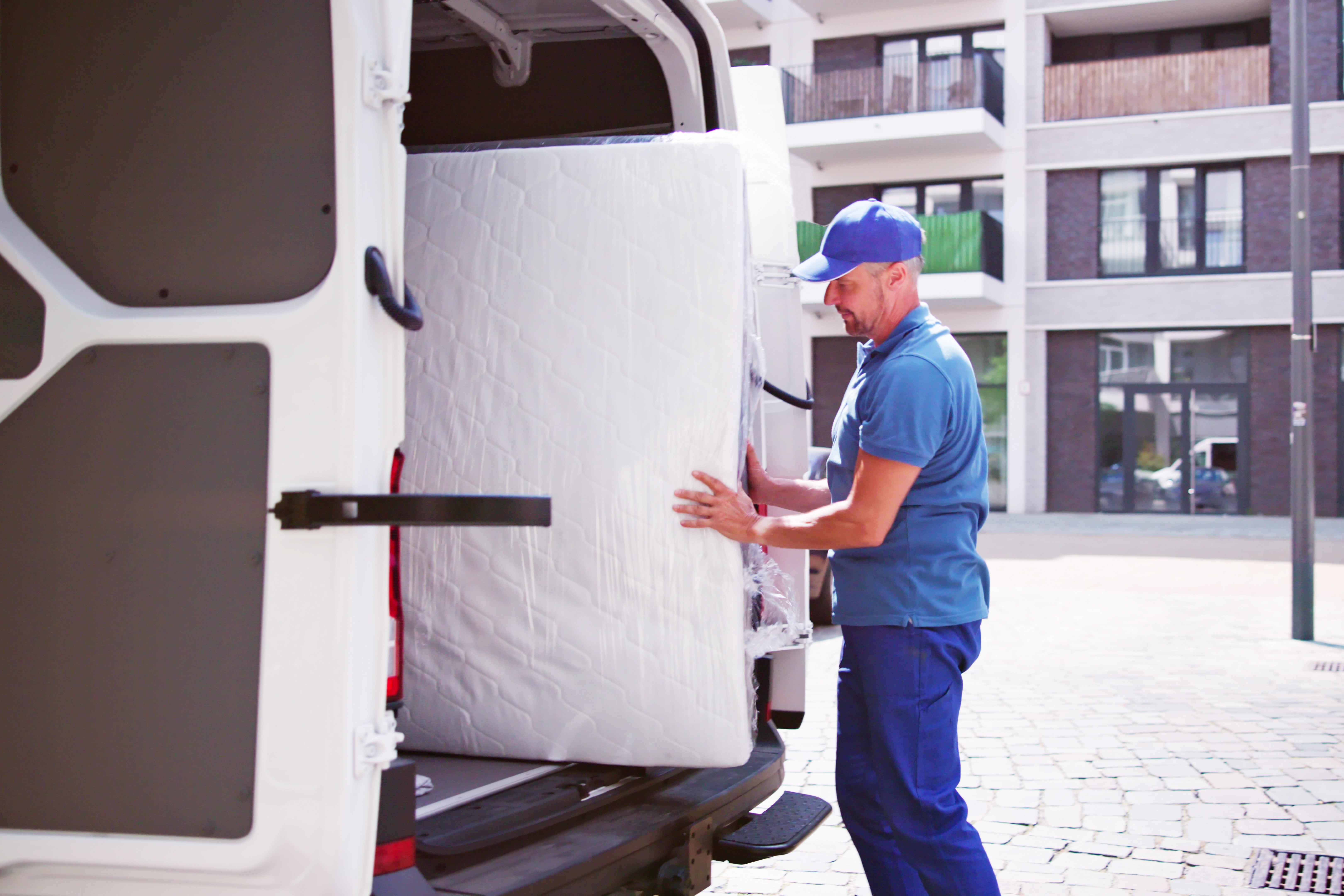
Understanding how to effectively manage gig delivery drivers is essential for businesses that want to maintain reliability, control costs, and provide excellent customer experiences.
How to Manage Gig Delivery Drivers Effectively
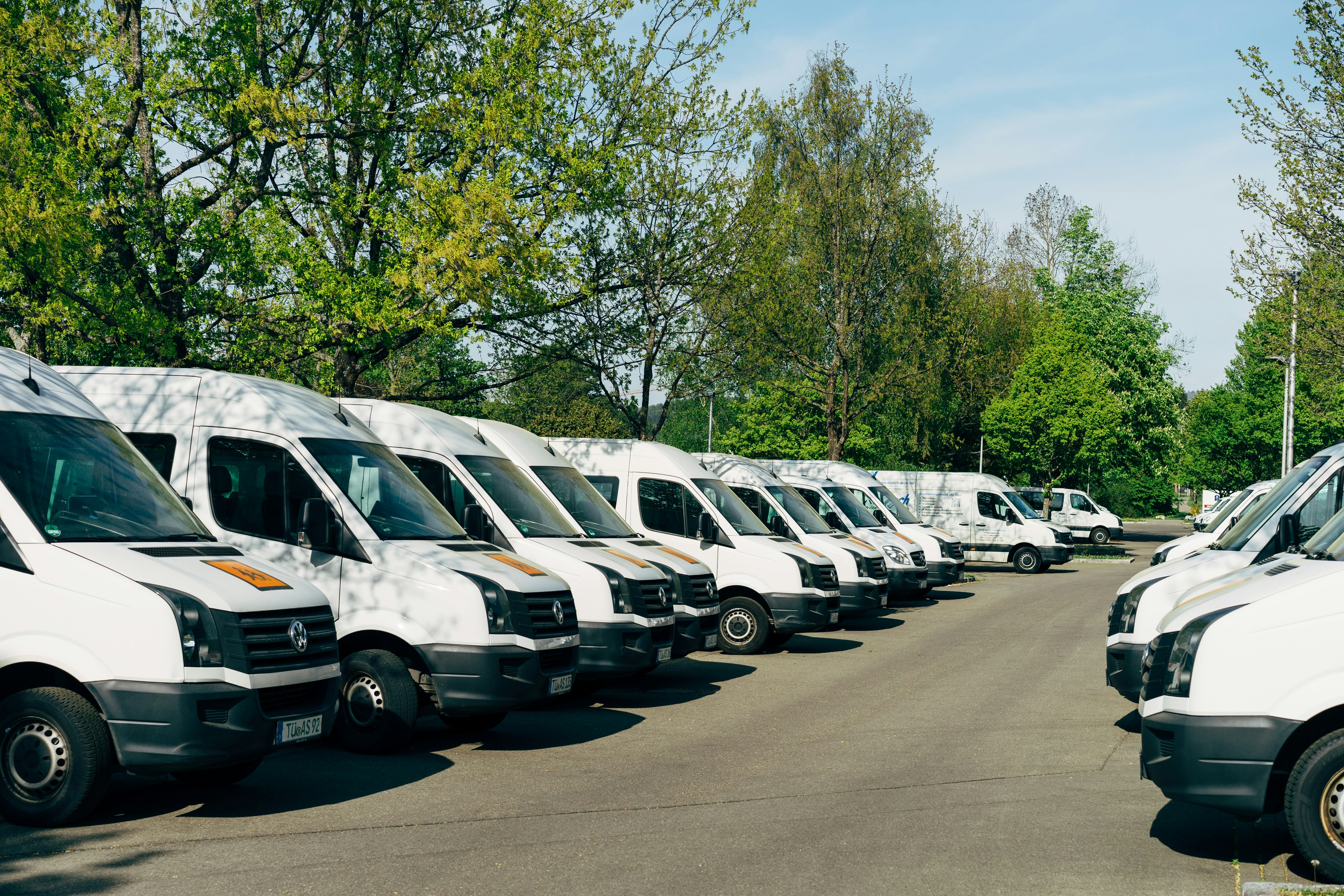
The gig economy has transformed the logistics and delivery landscape. More businesses are now relying on independent drivers and delivery service providers to fulfill last-mile deliveries. For retailers, logistics companies, and service businesses, gig drivers provide a flexible and scalable workforce that can quickly adapt to fluctuations in delivery demand.
However, managing gig delivery drivers is very different from managing a traditional in-house fleet. Gig drivers operate independently, often using their own vehicles and working flexible hours. Without the right systems and processes in place, coordinating a network of independent drivers can quickly become complex.
Understanding how to effectively manage gig delivery drivers is essential for businesses that want to maintain reliability, control costs, and provide excellent customer experiences.
Why Businesses Are Turning to Gig Delivery Drivers
In traditional delivery models, businesses rely on full-time drivers and company-owned vehicles. While this provides operational control, it also creates significant fixed costs.
Gig delivery drivers offer an alternative model where businesses can access delivery capacity when they need it, without maintaining a large permanent workforce.
Some of the key benefits of gig delivery networks include:
Flexibility: Businesses can increase or decrease driver capacity depending on demand.
Lower operational costs: Companies avoid expenses related to full-time employment, vehicle ownership, and fleet maintenance.
Faster expansion: Businesses can enter new markets by recruiting local delivery providers instead of building a fleet from scratch.
Scalability: Delivery networks can grow quickly during peak demand periods such as holidays or sales events.
While the gig model offers many advantages, it requires thoughtful management to ensure drivers remain engaged, efficient, and reliable.
Key Challenges in Managing Gig Delivery Drivers
Before exploring best practices, it is important to understand the common challenges businesses face when managing gig delivery drivers.
Lack of centralized coordination
Without a centralized system, dispatching deliveries to gig drivers can become inefficient. Manual coordination often leads to delays, missed deliveries, and poor communication.
Inconsistent driver availability
Gig drivers choose when they want to work, which means availability can fluctuate. Businesses need a strategy for ensuring sufficient delivery capacity at all times.
Quality control
Since gig drivers are independent contractors, maintaining consistent service quality can be challenging without clear standards and monitoring systems.
Communication gaps
Without proper communication tools, drivers may struggle to receive accurate delivery information, which can lead to delays or customer dissatisfaction.
Overcoming these challenges requires a structured approach to driver management supported by the right technology.
1. Use a Centralized Delivery Management Platform
One of the most effective ways to manage gig delivery drivers is by using a digital delivery management platform.
These platforms allow businesses to coordinate deliveries, assign jobs, track drivers, and monitor performance in real time.
A centralized platform typically includes:
Driver assignment and dispatching tools
Real-time tracking and route management
Driver communication tools
Performance monitoring dashboards
By using a delivery management system, businesses can eliminate manual coordination and create a more efficient delivery workflow.
2. Establish Clear Driver Onboarding and Training
Even though gig drivers operate independently, providing structured onboarding is essential for maintaining consistent service standards.
A strong onboarding process should include:
Instructions on how to use the driver app or platform
Delivery procedures and expectations
Customer interaction guidelines
Safety and compliance requirements
Providing clear instructions ensures drivers understand how to complete deliveries correctly and represent the business professionally.
Many businesses also provide short training sessions or digital onboarding materials to help drivers become familiar with the delivery process.
3. Set Clear Performance Standards
Maintaining quality across a network of independent drivers requires clear expectations.
Businesses should define measurable performance standards such as:
On-time delivery rates
Delivery completion accuracy
Customer satisfaction ratings
Communication responsiveness
Tracking these metrics helps businesses identify high-performing drivers and address issues when performance falls below expectations.
Transparent performance standards also help drivers understand what is required to succeed on the platform.
4. Provide Real-Time Communication Tools
Effective communication is critical when managing gig drivers.
Drivers need access to accurate delivery information, including pickup locations, delivery instructions, and customer contact details.
Digital platforms that provide in-app messaging and notifications can help ensure drivers receive timely updates.
Real-time communication also allows dispatchers to quickly resolve issues such as:
Delivery delays
Address clarifications
Route changes
Customer requests
This level of coordination improves both driver efficiency and customer satisfaction.
5. Optimize Delivery Assignments
Efficient delivery assignments are essential for maximizing productivity within a gig driver network.
Delivery management platforms can automatically assign deliveries based on factors such as:
Driver location
Vehicle type
Delivery distance
Driver availability
This type of intelligent dispatching reduces travel time and ensures deliveries are completed efficiently.
Route optimization tools can further improve efficiency by helping drivers follow the fastest and most efficient routes.
6. Offer Fair and Transparent Compensation
Gig drivers are motivated by earning opportunities. Businesses that provide transparent and competitive compensation structures are more likely to retain reliable drivers.
Important factors to consider include:
Clear payment structures for deliveries
Transparent payout schedules
Opportunities to earn tips
Incentives for high performance or peak demand periods
When drivers understand how they are compensated, they are more likely to stay engaged with the platform.
7. Build a Reliable Driver Network
Successful gig delivery operations depend on having a reliable pool of drivers available when needed.
Businesses should actively recruit and maintain relationships with multiple delivery providers to ensure consistent coverage.
Strategies for building a strong driver network include:
Partnering with local delivery providers
Recruiting independent drivers
Offering incentives for peak delivery periods
Maintaining a flexible driver pool across multiple regions
A well-managed network ensures businesses can meet delivery demand without delays.
8. Monitor Performance and Continuously Improve
Data plays a critical role in managing gig delivery networks effectively.
Businesses should regularly review delivery metrics to identify opportunities for improvement.
Important performance indicators may include:
Average delivery time
Delivery success rate
Customer satisfaction ratings
Driver utilization rates
Analyzing these metrics helps businesses refine their operations, improve efficiency, and maintain service quality.
How Virtual Fleet Hub Helps Manage Gig Delivery Drivers
Managing gig delivery drivers can become complex without the right technology infrastructure.
Platforms like Virtual Fleet Hub provide businesses with the tools needed to coordinate gig drivers through a centralized digital delivery network.
Virtual Fleet Hub allows organizations to:
Manage independent delivery providers through a single platform
Assign deliveries and track drivers in real time
Communicate directly with drivers through integrated tools
Monitor delivery performance and analytics
Instead of building complex logistics software internally, businesses can use Virtual Fleet Hub to launch and manage their own digital delivery network quickly.
This approach allows companies to scale delivery operations while maintaining control over their delivery ecosystem.
Conclusion
The rise of the gig economy has created new opportunities for businesses to build flexible and scalable delivery operations.
However, managing gig delivery drivers requires more than simply recruiting independent drivers. Businesses must implement structured systems for dispatching, communication, performance monitoring, and driver engagement.
By using digital delivery platforms, establishing clear processes, and maintaining strong driver networks, businesses can successfully manage gig delivery drivers while delivering reliable service to customers.
As delivery expectations continue to grow, companies that effectively manage gig driver networks will be better positioned to scale their operations and compete in the evolving logistics landscape.